
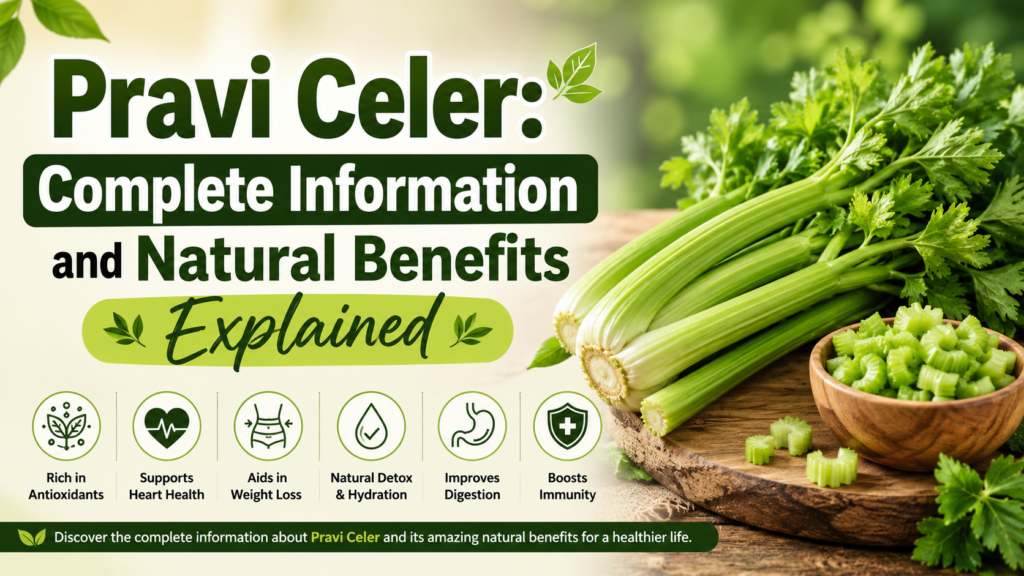

Introduction to Pravi Celer
Pravi celer is a term commonly used in South Slavic languages to describe celery, a widely known green vegetable valued for both its culinary versatility and its health-supporting properties. The phrase “pravi” generally means “real,” “true,” or “authentic,” while “celer” refers directly to celery, making the term translate loosely as “real celery” or “true celery.” This expression is often used to distinguish natural celery from processed substitutes or related plant-based ingredients. Celery itself has been a part of human diets for centuries, especially in Mediterranean and European regions, where it has been consumed as both food and medicine. In modern times, pravi celer has gained renewed attention due to the global rise in health-conscious eating habits and plant-based nutrition. It is now widely recognized as a low-calorie, nutrient-rich vegetable that supports hydration, digestion, and overall wellness. This article provides a complete and human-written exploration of pravi celer, including its meaning, nutritional composition, health benefits, culinary uses, and cultural importance.
Meaning and Linguistic Background of Pravi Celer
The phrase pravi celer originates from Slavic linguistic roots, where “pravi” translates to “true” or “genuine,” and “celer” refers to celery. In everyday language across countries such as Serbia, Croatia, Bosnia, and Montenegro, this term is commonly used to emphasize natural or authentic celery as opposed to processed food products or artificial flavorings. Linguistically, it reflects how regional languages often add descriptive words to food items to highlight quality or authenticity. Celery itself, known scientifically as Apium graveolens, has been cultivated for thousands of years and holds an important place in both culinary traditions and herbal medicine systems. The use of the term pravi celer also demonstrates how language evolves alongside food culture, helping people distinguish between natural ingredients and modern industrial alternatives. In this sense, pravi celer is not just a vegetable name but also a cultural expression of food authenticity and quality.
Botanical Profile and Natural Characteristics
From a botanical perspective, pravi celer (Apium graveolens) belongs to the Apiaceae family, which also includes parsley, carrots, and fennel. It is a biennial plant, although it is usually harvested during its first year of growth for optimal texture and flavor. The plant typically grows between 30 and 60 centimeters tall and is characterized by its long, fibrous stalks, leafy green tops, and aromatic seeds. Celery thrives in cool, moist environments and requires nutrient-rich soil to develop properly. One of its most distinctive features is its high water content, which can reach up to 95%, making it one of the most hydrating vegetables available. The stalks are crisp and crunchy, while the leaves are fragrant and slightly bitter, often used as herbs in cooking. Celery seeds are also highly valuable and are used both as spices and in herbal remedies. The combination of stalks, leaves, and seeds makes pravi celer a highly versatile plant with multiple uses in food and health applications.
Nutritional Value of Pravi Celer
Pravi celer is widely appreciated for its excellent nutritional profile despite being extremely low in calories. A typical serving contains very few calories, making it ideal for weight-conscious diets. However, it is rich in essential nutrients such as vitamin K, vitamin C, vitamin A, folate, potassium, and vitamin B6. It also provides dietary fiber, which supports digestive health and helps regulate bowel movements. Vitamin K plays a key role in bone health and blood clotting, while vitamin C supports immune function and skin health. Potassium helps maintain healthy blood pressure levels by balancing sodium in the body. Additionally, celery contains antioxidants such as flavonoids, luteolin, and polyphenols, which help protect cells from oxidative damage. These compounds contribute to overall health by reducing inflammation and supporting the body’s natural defense mechanisms. Because of this combination of hydration, fiber, and micronutrients, pravi celer is often included in detox diets and balanced nutrition plans.
Health Benefits of Pravi Celer
The health benefits of pravi celer are widely recognized in both traditional practices and modern nutritional science. One of its most important benefits is cardiovascular support, as the potassium and antioxidants in celery help regulate blood pressure and promote heart health. Regular consumption may contribute to improved circulation and reduced risk of hypertension. Another key benefit is its anti-inflammatory effect, which may help reduce inflammation in the body and support joint health. Celery is also beneficial for digestion due to its fiber content, which promotes healthy gut movement and prevents constipation. Additionally, its high water content supports hydration, which is essential for kidney function and overall metabolic health. Some studies suggest that celery may also have mild diuretic properties, helping the body eliminate excess fluids and toxins naturally. While it is not a cure for medical conditions, incorporating pravi celer into a balanced diet can significantly contribute to long-term wellness and improved physical health.
Culinary Uses and Everyday Applications
Pravi celer is a highly versatile ingredient used in cuisines around the world. In cooking, celery is often part of the flavor base for soups, stews, and sauces. In French cuisine, it is included in the classic mirepoix combination along with onions and carrots, forming the foundation of many dishes. In Balkan and Eastern European cuisines, pravi celer is commonly used in broths, vegetable soups, and meat-based recipes. The stalks can be eaten raw as a crunchy snack, added to salads, or cooked in various dishes. The leaves are often used as herbs to enhance flavor, while celery seeds are used as spices in seasoning blends and pickling recipes. In modern health culture, celery juice has become popular as a detox drink, often consumed on an empty stomach. Its refreshing taste and hydrating properties make it suitable for smoothies as well. The adaptability of pravi celer in both raw and cooked forms makes it an essential ingredient in many kitchens.
Pravi Celer in Traditional Medicine and Herbal Practices
Historically, pravi celer has been used in traditional medicine systems for its believed healing properties. Ancient civilizations such as the Greeks and Romans valued celery for its medicinal and symbolic significance. In traditional herbal medicine, celery seeds were commonly used to support digestion, reduce inflammation, and promote urinary health. Herbal teas made from celery leaves or seeds were consumed to aid detoxification and improve overall vitality. In some cultures, celery was also believed to have calming effects on the nervous system, helping reduce stress and anxiety. While modern scientific research is still exploring many of these traditional claims, some health benefits—such as anti-inflammatory and antioxidant effects—are well supported by current studies. Today, pravi celer continues to be used in natural wellness practices, especially in diets focused on cleansing, hydration, and plant-based nutrition.
Role of Pravi Celer in Weight Management and Diet Plans
Pravi celer is frequently included in weight management and diet plans due to its low calorie content and high fiber composition. Because it is mostly water, it provides a sense of fullness without significantly increasing calorie intake. This makes it an excellent snack for individuals trying to reduce weight or maintain a healthy diet. The fiber in celery slows digestion and helps control appetite, reducing the likelihood of overeating. It is often included in calorie-deficit diets, detox programs, and healthy eating plans. Celery juice has also become popular in wellness trends, where it is consumed for hydration and metabolic support. While no single food can guarantee weight loss, incorporating nutrient-dense foods like pravi celer into a balanced diet can support healthier lifestyle habits and long-term weight control. Its natural composition makes it a valuable component in modern nutrition strategies focused on sustainability and well-being.
Selection, Storage, and Preparation Methods
Choosing fresh pravi celer is important to ensure maximum taste and nutritional value. Fresh celery should have firm, crisp stalks with a bright green color and no signs of wilting or yellowing. The leaves should appear fresh and aromatic rather than dry or limp. For storage, celery should be wrapped in aluminum foil or stored in an airtight container in the refrigerator to maintain its crisp texture. It can also be stored in water to prolong freshness. Before consumption, celery should be washed thoroughly to remove any dirt or pesticide residue. It can be chopped, sliced, or eaten raw depending on preference. The stalks are commonly used in salads and snacks, while the leaves are used as herbs in soups and cooked dishes. Celery can also be blended into smoothies or juiced for a refreshing drink. Proper handling and preparation help preserve its nutritional benefits and flavor.
Cultural Importance and Modern Popularity
Pravi celer holds cultural significance in many European and Mediterranean regions, where it has been used in traditional cooking for generations. It is often associated with home-cooked meals, seasonal vegetables, and natural eating habits. In modern times, celery has gained global popularity due to health trends that emphasize plant-based diets and detox nutrition. Social media and wellness communities have also contributed to its rising fame, particularly through celery juice trends. Despite changing food habits, pravi celer remains a symbol of simplicity and natural nutrition. Its continued use in both traditional and modern diets shows its adaptability across cultures and generations. As people become more health-conscious, celery is likely to remain an important part of global nutrition discussions.
Conclusion
Pravi celer is more than just a vegetable; it is a nutrient-rich, versatile, and culturally significant food that has stood the test of time. From its linguistic roots in Slavic languages to its global presence in modern diets, celery continues to play an important role in both culinary and health contexts. Its low-calorie nature, combined with high water content, fiber, and essential nutrients, makes it an ideal choice for healthy living. Whether used in cooking, consumed raw, or incorporated into wellness routines, pravi celer offers numerous benefits for overall health and well-being. As awareness of healthy eating continues to grow, this simple yet powerful vegetable will remain a valuable part of balanced nutrition and natural wellness practices.